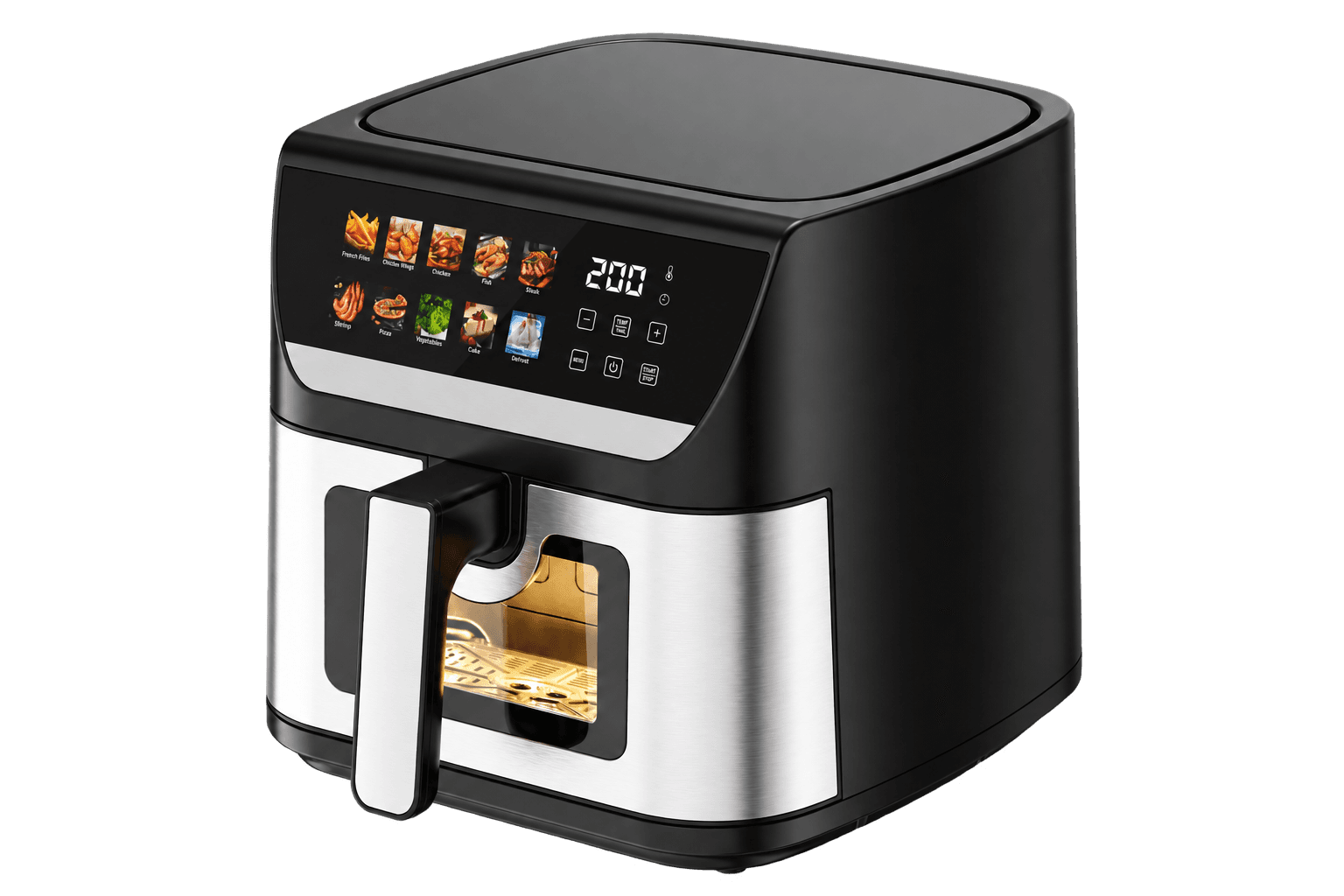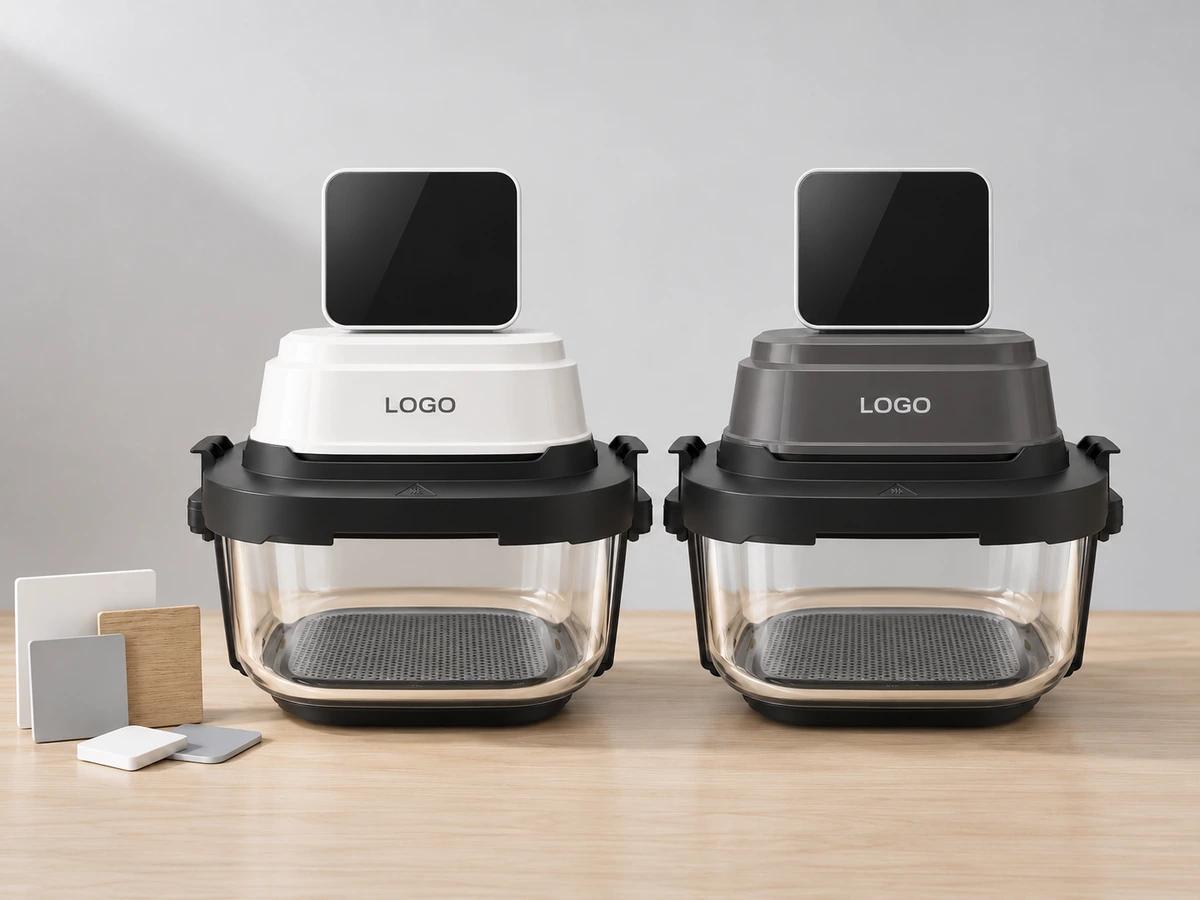
CMF & Exterior Development
Develop differentiated colors, materials, finishes and selected exterior details.

Create meaningful product differentiation through selected component, functional and structural changes while retaining a proven technical foundation.
Semi-custom development retains the main technical architecture of a proven EVO platform while allowing selected changes to components, appearance, functions, control logic and structural parts. It is suitable for projects that require stronger product differentiation without developing an entirely new product architecture.
EVO’s engineering team evaluates how changes to components, heating, airflow, motors, sensing, control logic and selected structures can be introduced without rebuilding the entire product architecture.
The final scope, investment and schedule depend on the required engineering, tooling and validation work.
Market-specific exclusivity may also be agreed based on the project scope, tooling investment and commercial commitment.
The exact development scope is confirmed after EVO reviews the selected platform, requested changes, engineering feasibility and validation requirements.
Develop differentiated colors, materials, finishes and selected exterior details.
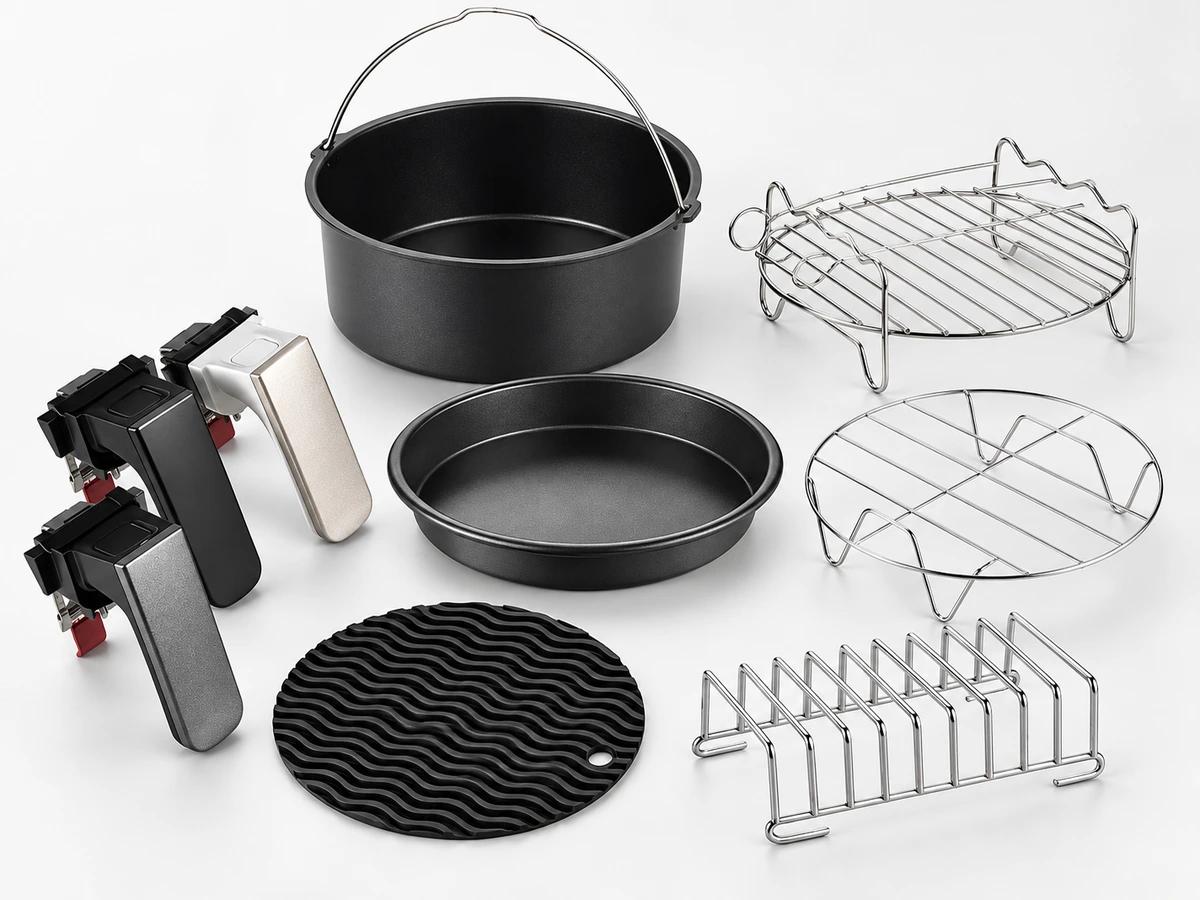
Redesign selected handles, baskets, attachments, accessories and external product components.
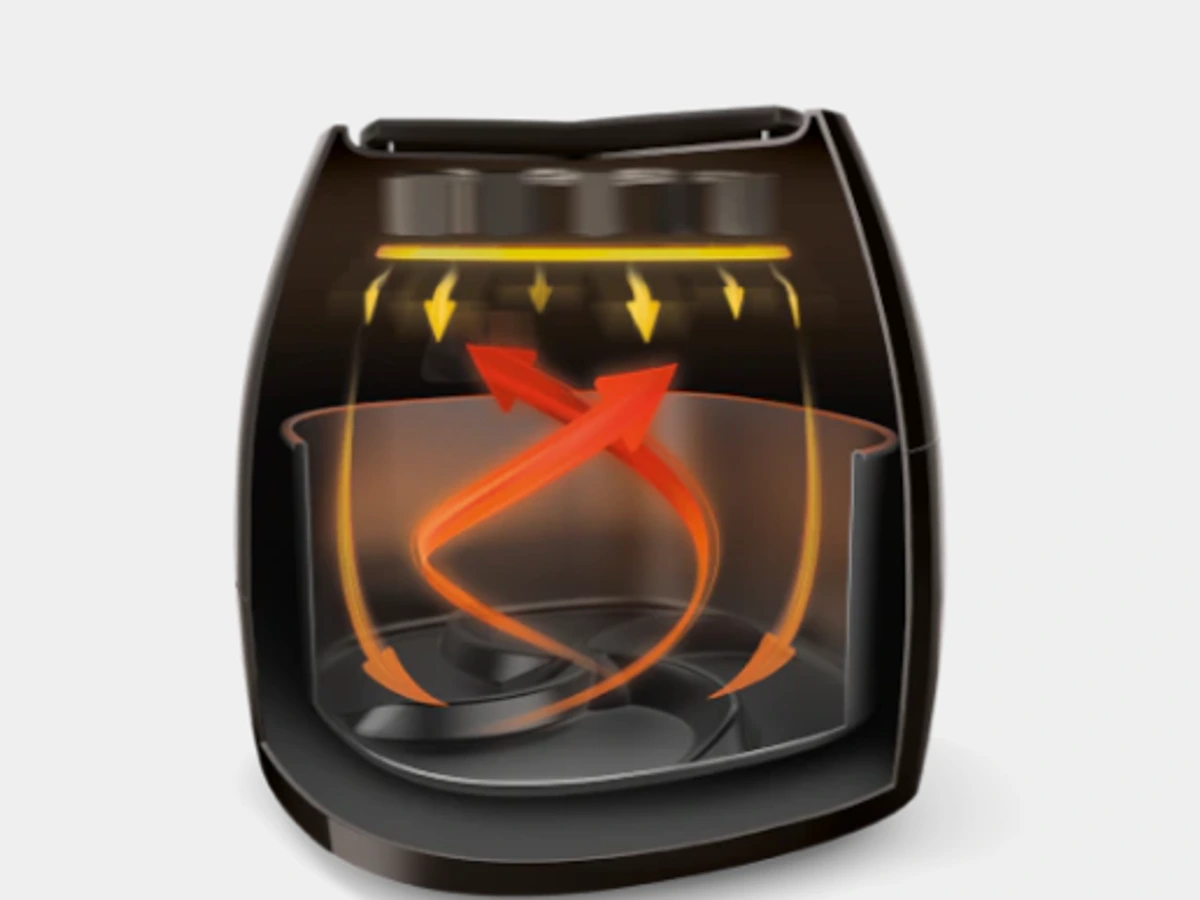
Introduce selected heating, airflow, motor, sensing or user-interface functions supported by the retained technical platform.
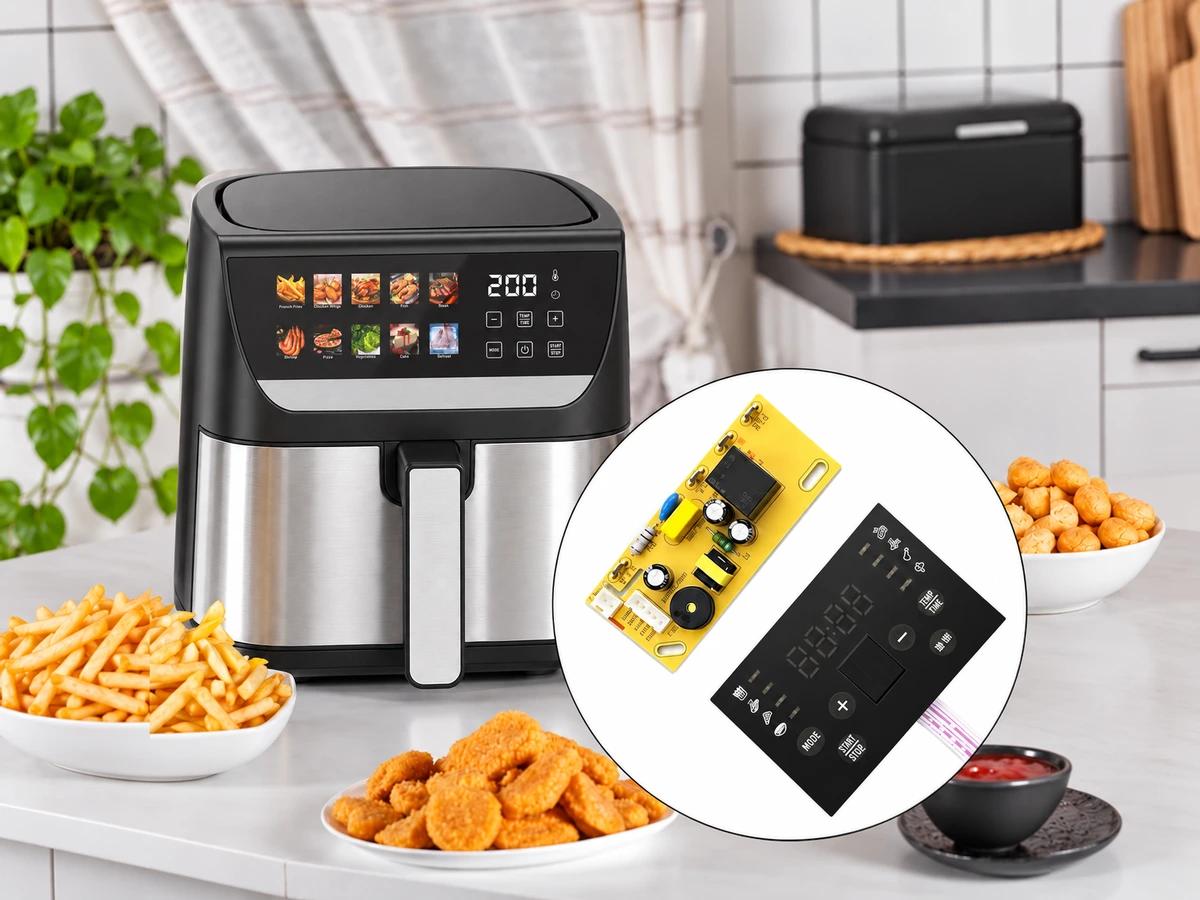
Adapt display behavior, operating programs, temperature settings and selected control parameters within the retained control architecture.
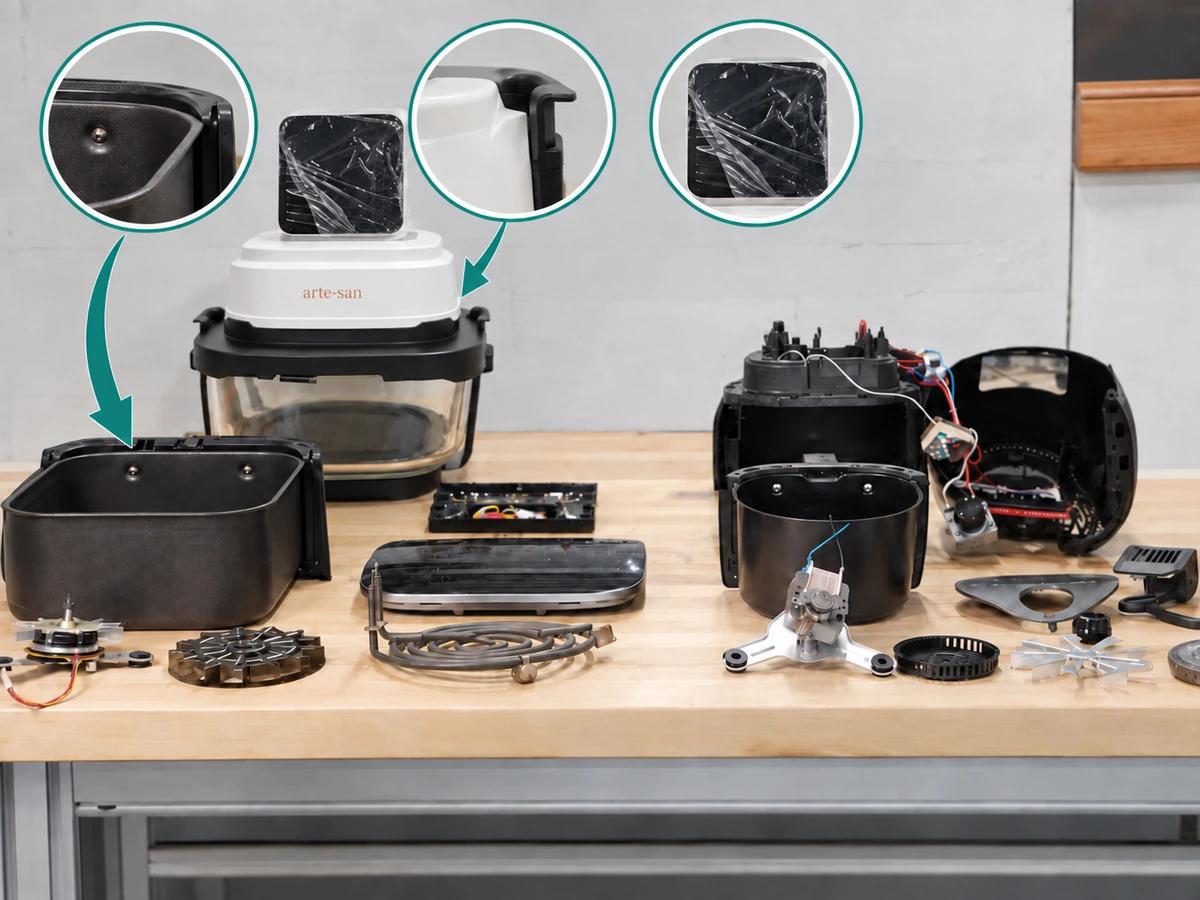
Engineer selected structural changes without replacing the product’s main technical architecture.
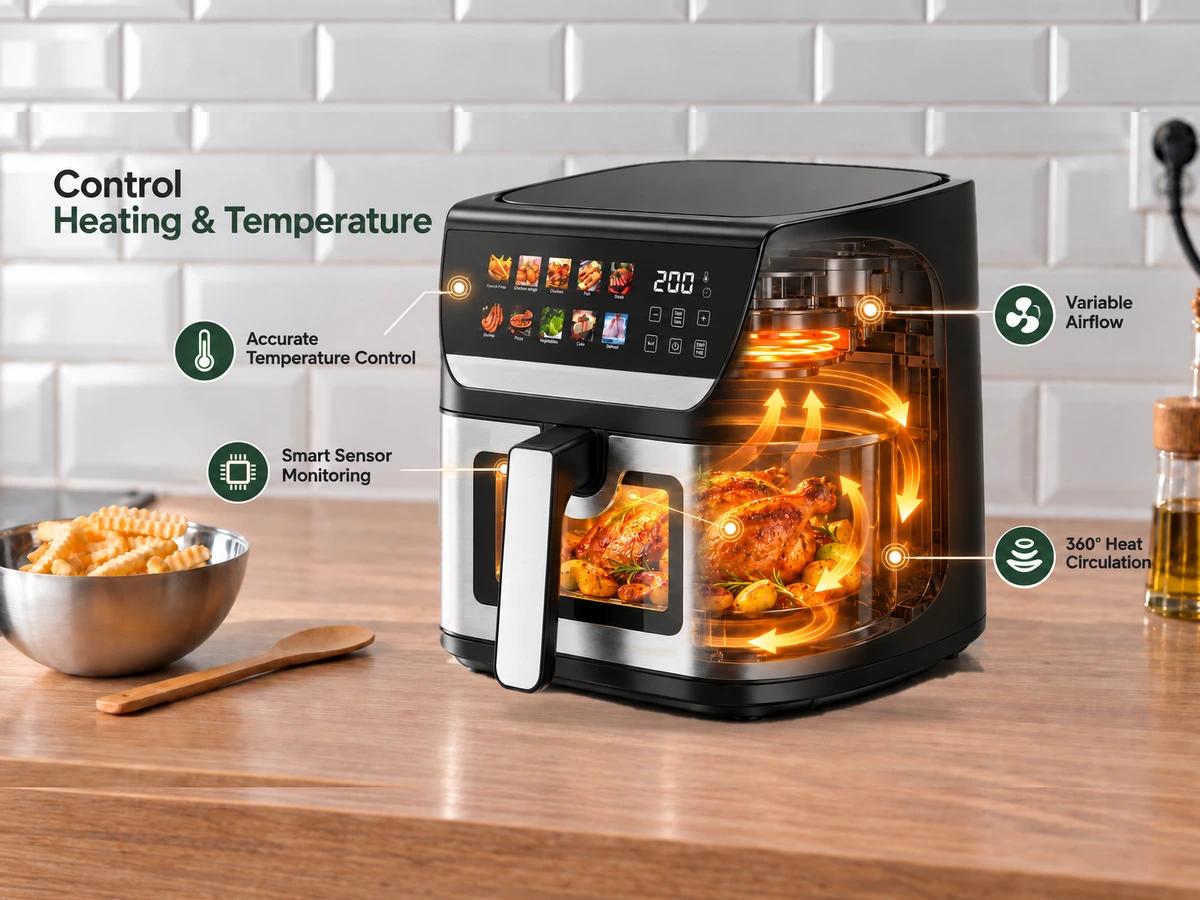
Tune and validate targeted improvements in heating, airflow, temperature control, usability, noise or overall product performance.
EVO assesses each project according to platform compatibility, engineering impact, tooling requirements and validation scope.
Confirm whether the requested changes can work within the existing product dimensions, layout, power system and safety architecture.
Identify the components, interfaces, control systems and performance areas affected by the requested changes.
Determine whether the project can use existing tooling, modified inserts or newly developed parts and molds.
Define the required prototypes, performance testing, safety review and target-market compliance preparation before production.
Confirm the target market, reference platform, requested changes, expected volume and commercial goals.
Output:Confirmed project requirements
Define the elements to be retained, the proposed changes and the preliminary development approach.
Output:Proposed design direction and scope
Assess platform compatibility, technical risks, tooling requirements, compliance preparation and the required validation work.
Output:Confirmed feasibility and development scope
Build prototypes and validate function, assembly, performance, safety and user experience.
Output:Approved engineering solution
Complete the required tooling, engineering revisions and target-market compliance preparation.
Output:Production-intent specification
Validate manufacturing, quality, packaging and production readiness through a controlled pilot run before mass production.
Output:Production-ready product

Existing platform customization retains the product’s main structure, core hardware and technical architecture, with changes mainly focused on branding, appearance, controls, packaging and market adaptation. Semi-custom development allows selected component, functional or structural changes that require additional engineering, validation or tooling work.
Depending on platform compatibility and engineering feasibility, semi-custom development may include selected exterior parts, handles, baskets, attachments, accessories, user interfaces, control logic, sensing functions, heating systems, airflow paths, motors or structural components.
New or modified tooling may be required when the requested component or structural change cannot be produced with the existing molds, inserts or manufacturing process. The tooling requirement is confirmed during the engineering review.
The final scope, investment and schedule are confirmed after the reference platform, requested changes, tooling requirements and validation work have been reviewed. Typical development investment ranges from approximately US$5,000 to US$50,000, with a typical project lead time of approximately 2–3 months.
Market-specific exclusivity may be agreed depending on the development scope, tooling investment, target market and commercial commitment. The applicable territory and conditions are confirmed as part of the commercial agreement.
Exclusive product development should be considered when the project requires a completely new product architecture, major redesign of the core technical systems or a dedicated new tooling program that cannot be developed around an existing platform.
Adapt an existing EVO platform with selected branding, appearance, control, packaging and market-specific options.
Explore This ModelDevelop a new product platform through a dedicated engineering and tooling program, with exclusivity structured according to the customer’s tooling investment.
Explore This ModelShare your reference platform, required changes, target market, expected volume and launch plan. EVO will assess feasibility and identify the engineering, tooling and validation work required.