
Severin FR 2474 Moves the First Air-Fryer Decision to Food Recognition
The FR 2474 says it recognizes food before choosing cooking settings. We examine the control-workflow change and what manufacturers must validate.

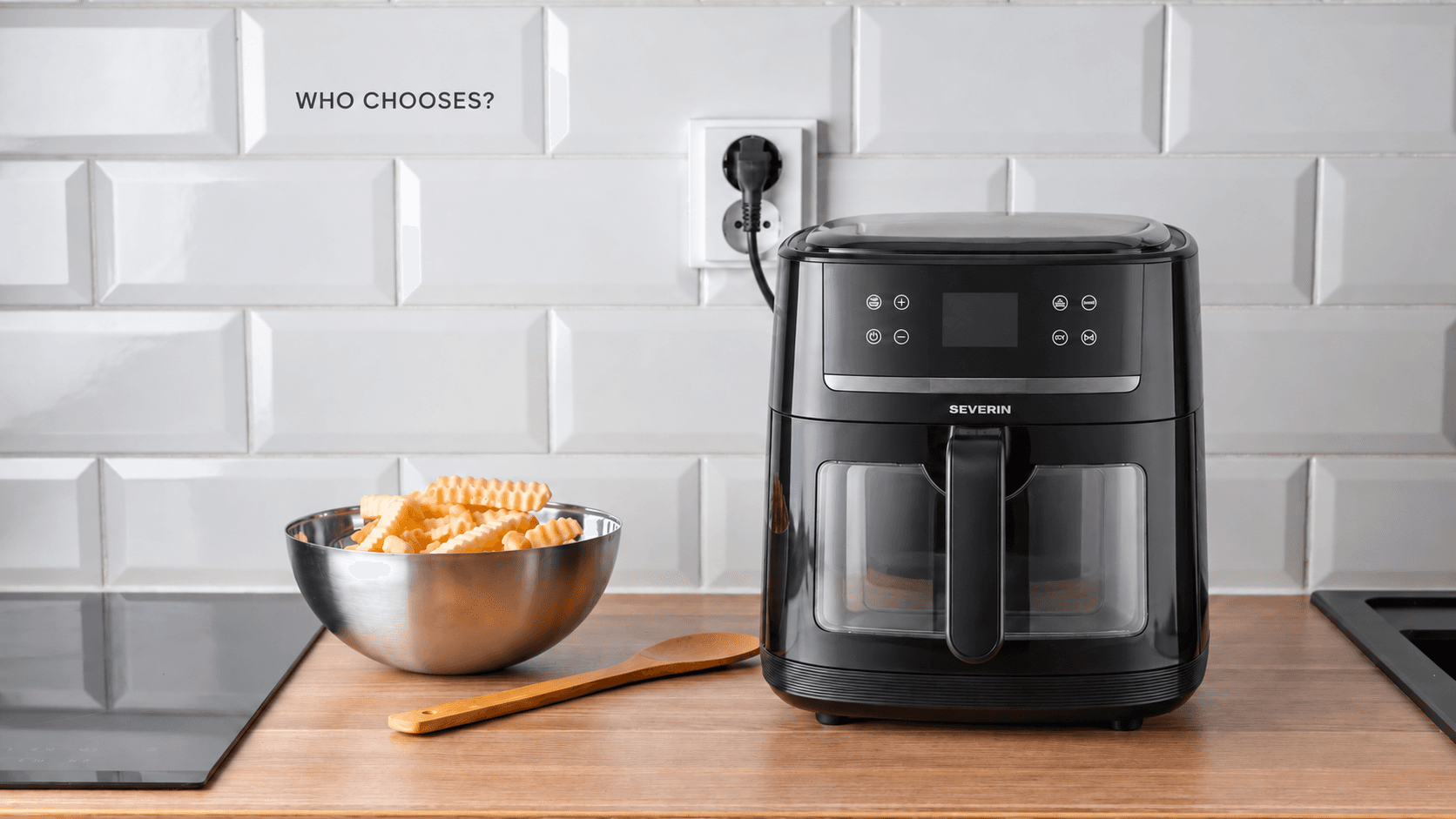
Severin's S-Fry Digital AI FR 2474 is an 8-liter drawer air fryer that the company presented at IFA 2026. The official listing did not show stock when checked on 28 September 2026, so claims about its cooking results should wait for testing. The interesting design decision is already visible: Severin says the machine recognizes food and automatically selects a program, temperature and time. For appliance teams, the question is whether this removes a useful decision for the cook or merely relocates it into a system that must now explain and recover from wrong suggestions.
A cooking decision changes hands
In a conventional preset interface, a user identifies the food and chooses a program, then may adjust time or temperature. FR 2474 reverses the first part of that sequence. The user loads the basket; the appliance is meant to identify the food and propose settings. Severin calls the function Food Detect Pro. That name does not establish how recognition works or whether the product measures doneness during cooking. The documented claim is narrower: automatic food recognition and selection of a cooking setup.
This is a change in the control workflow, not evidence of a new heater or airflow layout. The official technical sheet lists 24 automatic programs, 1,800 watts and an 8-liter capacity. Those numbers describe the appliance but do not explain the recognition method or prove a better result. A larger program menu could help cover more foods; it could also make an incorrect classification look more authoritative. The important interface question is what the appliance does when a food does not clearly fit one category.
Severin's Finnish distributor describes an integrated HD camera and says manual settings remain available. This supports a visual-recognition interpretation, but it does not locate the camera, describe its protection from steam and grease, or reveal the model behind its decisions. Product photographs cannot fill those gaps. Until technical documentation or a tested unit is available, there is no basis to describe continuous sensing, a particular AI architecture or closed-loop doneness control.
Automatic settings are not new; the starting point is
The FR 2474 should not be called the first intelligent air fryer. Philips described Smart Sensing in 2019. Its support instructions for the XXL Premium tell users to select one of five Smart Chef food programs; the appliance then adjusts time and temperature. This is a workflow comparison between different products, not a performance test. In Severin's description, food recognition is intended to make that initial category choice for the user.
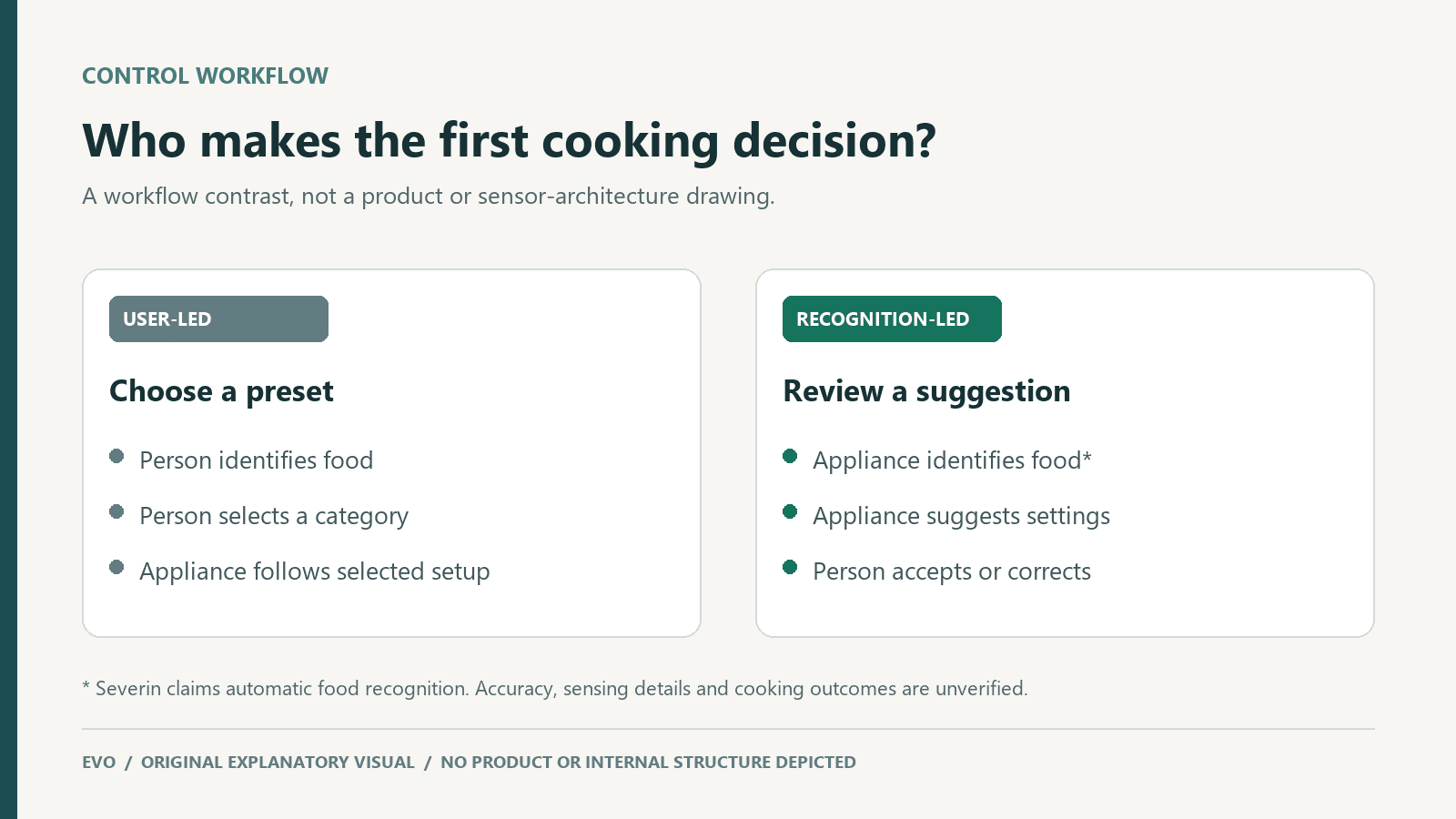
That distinction matters because it changes where an error enters the process. If a user chooses the wrong preset, the selection is visible and can be reconsidered. If an appliance makes the first selection, the cook must understand what it recognized and whether to accept it. A useful comparison would count not only button presses but also how often a person must correct a suggestion, how easy the correction is, and whether the resulting meal improves. Fewer taps alone would be a weak success measure.
There is a fair counterargument: many users may already find preset selection easy. If so, recognition adds limited everyday value while introducing a sensor, software and support obligation. The product case therefore rests on meaningful error reduction or convenience in realistic cooking, not on the presence of a camera or the word “AI.”
Food recognition is a narrower problem than cooking a meal
Even a correct visual label cannot describe every important cooking variable. Two portions of the same food can differ in mass, thickness, starting temperature, surface moisture and desired finish. A mixed basket can contain foods with different endpoints. This is an engineering inference from the task, not a reported failure of FR 2474. The manufacturer claim that the appliance chooses settings does not show how it handles those variations.
A useful validation matrix would begin with clean, single-food loads, then add mixed foods, partial occlusion, different portion sizes and frozen versus thawed inputs. The team should record the proposed category and settings before cooking, the time spent correcting them, center-temperature endpoints, browning and repeatability. It should compare those results against a sensible manual preset baseline. Without the matched meal outcome, recognition accuracy by itself could reward a system that names the food correctly but cooks it poorly.
The camera statement creates another test question. A visual sensor in a cooking appliance may face changing light, reflections, condensation and grease. The relevant manufacturer work is to verify recognition after repeated use and cleaning, and to specify how the user maintains the sensing surface. These are foreseeable validation requirements, not claims that this Severin model has a dirty-lens problem. The actual optical placement and cleaning method remain unconfirmed.
The override path is part of the architecture
The distributor's reference to manual settings is significant because an automatic suggestion needs a recovery path. An override should be discoverable before cooking starts, allow a user to correct food type or settings, and avoid obscuring the final program. If the product presents a confident recommendation without showing its basis, users may accept a poor setup. If it asks for confirmation on every routine load, some of the convenience disappears. The trade-off is between automation and understandable control.
This makes the interface as consequential as the recognition model. A product specification should define an uncertain state, what appears on the screen, what the default action is, and how corrections are captured for service and future product improvement. It should also separate safe cooking instructions from promotional claims of “perfect results.” The official material describes intended convenience; independent tests of accuracy, usability and food outcomes are not yet available.
What this could signal for the category
FR 2474 is evidence that a mainstream brand is trying to move air-fryer setup from a preset menu toward sensing-led suggestions. It is not proof that consumers will prefer the approach or that the category is moving as a whole. Earlier automatic-setting products provide precedent, and the official listing did not show stock at the time of research. The more specific signal is a design question: whether the first decision in cooking can be automated without creating a larger burden of classification, cleaning and error recovery.
Severin's IFA release anticipated launch in late October 2026, while its online listing did not show stock when checked on 28 September. That difference is a reason to treat availability and performance as open questions, not to force a launch date. Once units ship, the decisive evidence will be repeated food tests and observation of how people respond when the suggested program is wrong.

Allen
Product Development & R&D, EVO
Focused on air fryer product development, engineering evaluation, OEM/ODM, sourcing and market analysis.
Related Insights
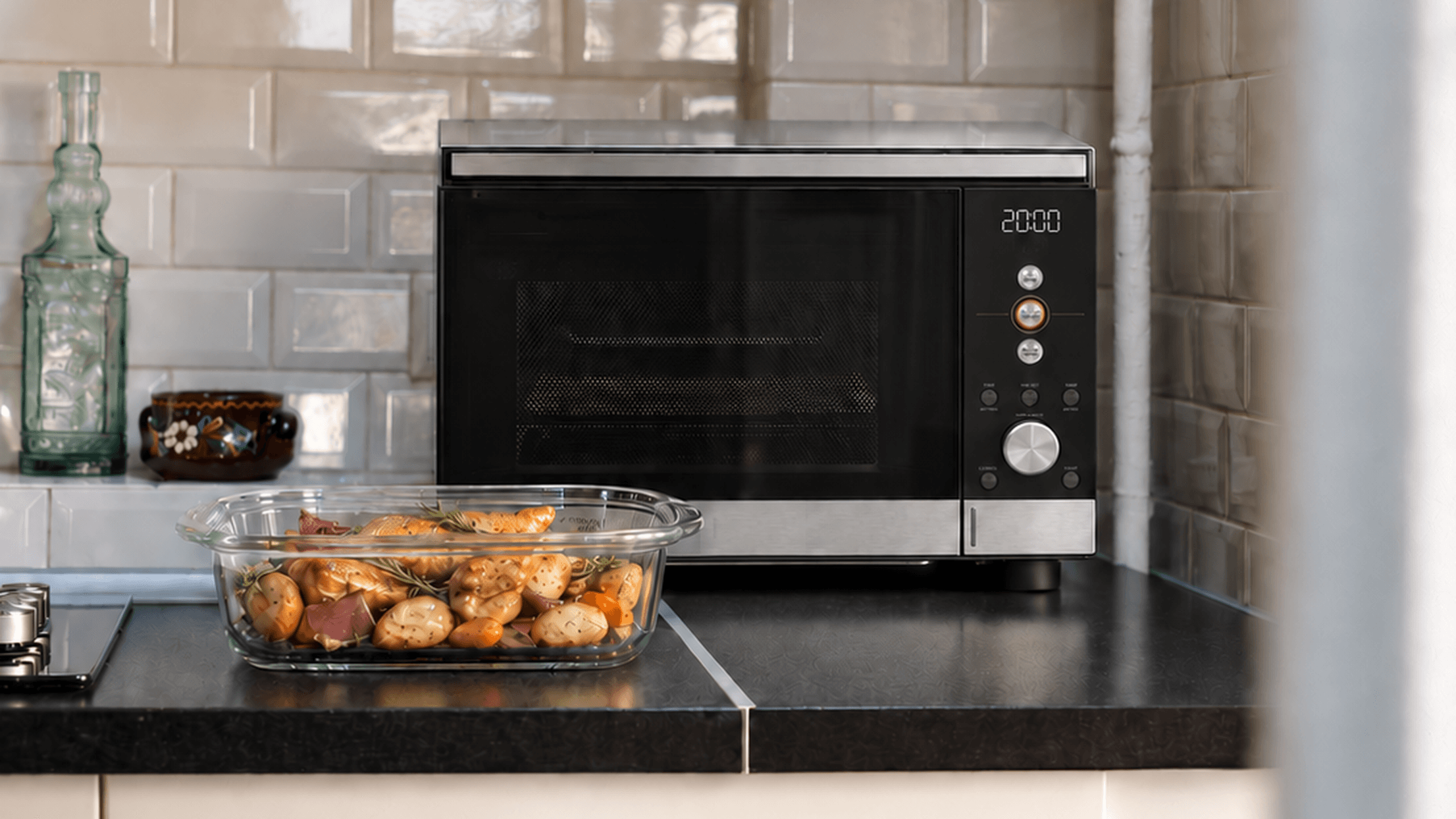
Ninja Crispi MW101 Turns the Cooking Vessel Into a Mode Boundary
Ninja's MW101 automates the microwave-to-air-fry handoff around a designated glass vessel. We analyze the loading, compatibility and validation trade-offs.
Read Article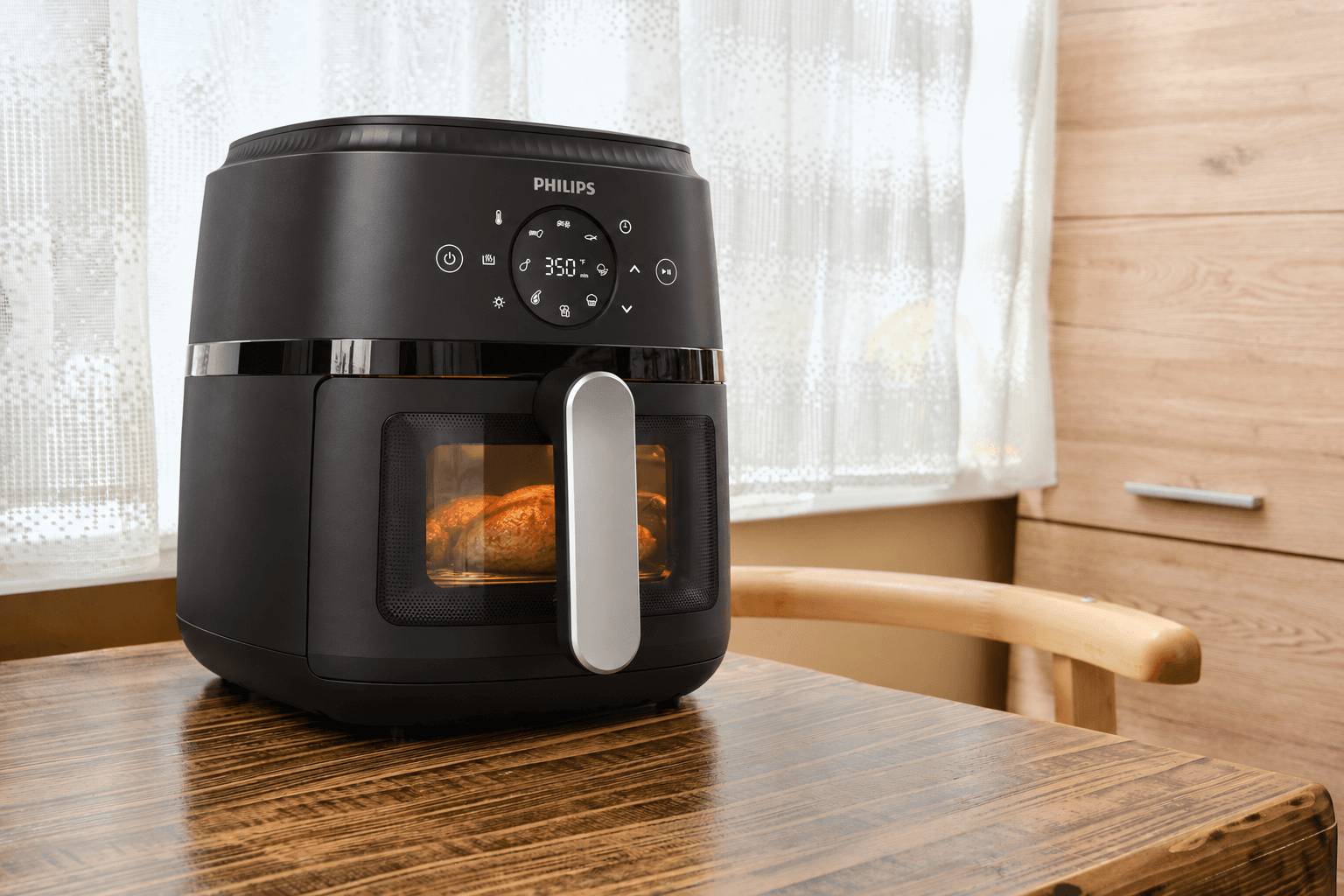
What Does an Air Fryer Viewing Window Actually Let Users Decide?
A viewing window can reveal surface changes, but it cannot verify hidden food or safe internal temperature. Here is how product teams should specify and validate the decision it supports.
Read Article
Why Can a Stacked Air Fryer Cook Unevenly? The Ninja DoubleStack Design Question
Ninja's DoubleStack puts two cooking zones in a narrow footprint. Its design shows why basket position, rack loading and airflow must be tested together before a brand promises even cooking.
Read ArticleHave a question about this topic?
Ask EVO about the product technology, development considerations or sourcing implications discussed in this article.